
8 Things Renovation Shows Don’t Tell You About Remodeling Your Home
Renovation shows have a way of making the whole thing look pretty painless. Demo on Monday. Cabinets by Wednesday. A perfectly styled kitchen and happy homeowners by Friday.
Real-life renovations? There are a few more emails involved.
Between product lead times, custom measurements, contractor schedules and the fact that you probably still need to live in your house while all of this is happening, a successful remodel requires a lot more planning than can fit into a 45-minute episode.
At ALT Design Studio, we love the transformation just as much as anyone. We just know there’s a whole lot that happens before the big reveal.
Here are eight things we wish every homeowner knew before starting a renovation.
1. Your Renovation Will Probably Take Longer Than TV Has Led You to Believe
The biggest misconception we see is the timeline.
Renovation shows condense weeks—or months—of work into a neat little storyline. What you don’t see is the time spent coordinating vendors, waiting for materials, confirming measurements, solving unexpected problems and figuring out the correct order for every trade involved.
There’s another pretty major difference: many TV renovations happen in empty houses.
In real life, we're often working around families, pets, furniture, work schedules and the small detail that you still need somewhere to make coffee in the morning.
A realistic renovation timeline leaves room for real life.
Planning a Home Remodel in Des Moines?
Bringing a designer into the conversation early can help establish the layout, priorities and selections before construction begins.
2. Custom Doesn't Come With Two-Day Shipping
Product lead times catch homeowners off guard all the time, and kitchens are probably the best example.
Custom cabinets and countertops aren't sitting in a warehouse waiting for someone to click "add to cart." They're being made specifically for your space, often with lead times of six to eight weeks or more.
And sometimes final measurements can't even happen until demolition is complete.
Waiting can feel frustrating, but getting those measurements right the first time is much better than discovering your custom countertop doesn't actually fit.
3. Trade Scheduling Is Basically a Giant Puzzle
The plumber needs to finish before someone else can start. The electrician has another job Tuesday. The material you need Wednesday now arrives Friday.
This is the part renovation shows conveniently speed through.
There can be a lot of communication behind the scenes to get contractors and trades into a space in the correct order. Even with a solid renovation plan, each vendor has a schedule of their own, and one unexpected delay can affect what happens next.
That doesn't mean the project is going wrong. It means you're renovating a house in the real world.
Need Help Managing the Moving Pieces?
ALT Design Studio can be as involved in the renovation process as your project needs, from design consultation through more hands-on project support.
4. Tile and Flooring Deserve More Thought Than a 10-Minute Pinterest Search
There are plenty of design decisions you can change later.
Tile and flooring aren't high on that list.
Once they're installed—particularly when you're working with a pattern or other permanent elements are installed over them—changing your mind becomes a much bigger project.
These are decisions worth slowing down for. Look at samples in your actual space. Consider how they'll work with the rest of the home. Think beyond what's trending this month.
You want to love them for a long time.
5. Slow Down Before You Start Moving Walls
A contractor can tell you what is structurally possible. ALT's role is to add another question:
How should this space actually work for you?
Major floor plan changes can quickly become some of the most expensive parts of a remodel. Before moving walls, plumbing or electrical, it's worth exploring whether there's a smarter way to accomplish the same goal.
Maybe the layout technically works—but two people can't comfortably cook together.
Maybe opening a wall sounds great—but you'll lose the storage you desperately need.
Maybe moving plumbing across the room adds significant expense without meaningfully improving how you use the space.
This is where thoughtful space planning earns its keep.
6. Your House Does Not Need to Be Instagram-Worthy
This might be our favorite myth to bust.
Homeowners can get so focused on creating a space with broad appeal—or protecting some hypothetical future resale value—that they remove everything interesting about themselves.
Your house is allowed to have personality.
Actually, we encourage it.
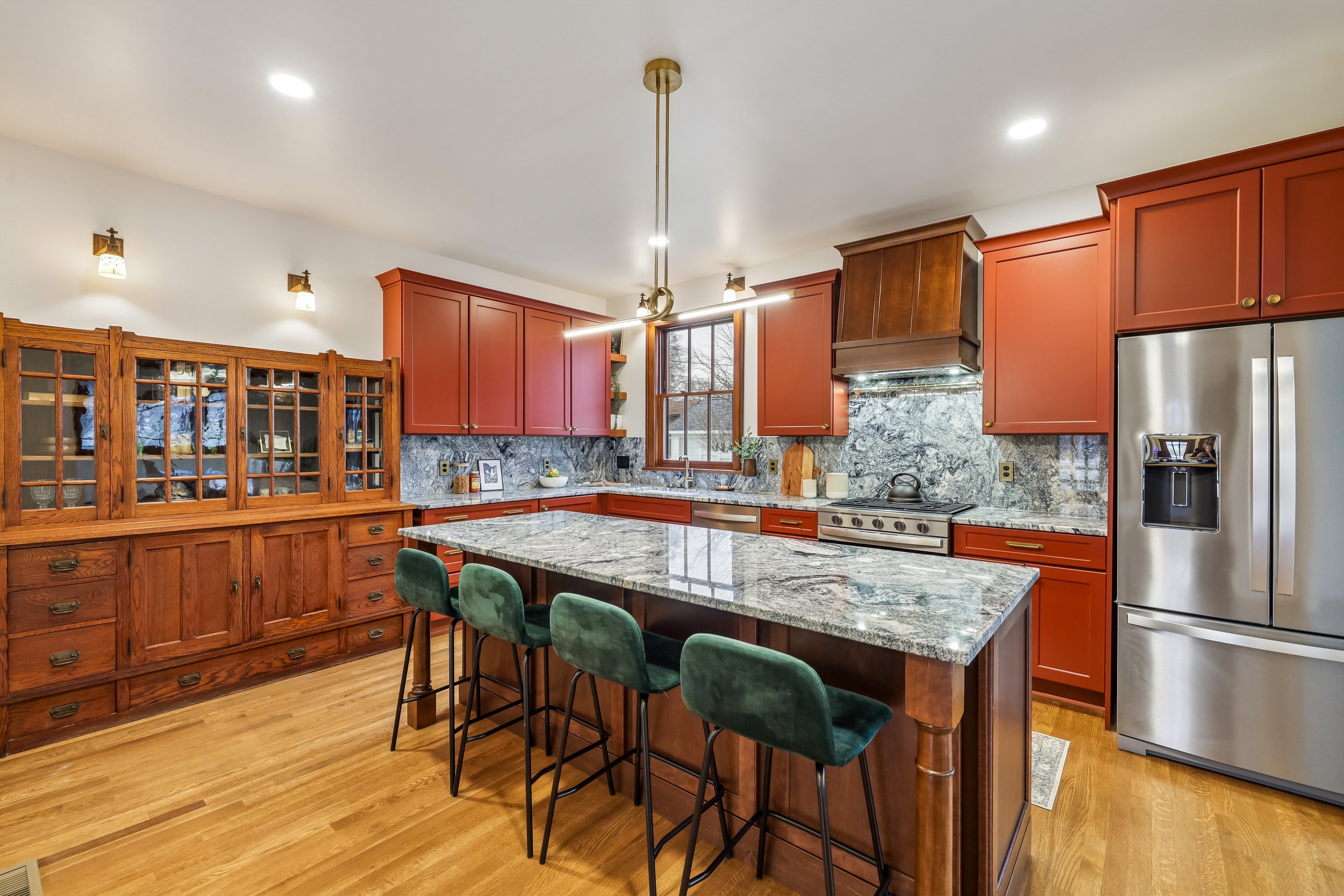
The perfect Instagram kitchen isn't necessarily the perfect kitchen for you. Keep the artwork with a story. Choose the unexpected color. Design around the way your family lives.
Unless you're actively preparing to sell, you are the audience that matters most.
7. Everyday Functionality Is Almost Always Worth Exploring
Some of the least glamorous renovation decisions become the ones homeowners appreciate most.
A better-organized pantry. A spice pullout exactly where you need it. More functional storage. Better clearance around a kitchen island. A drop zone that finally contains everyone's stuff.
If you've caught yourself thinking, "I really wish we had...", bring it up before assuming it's too expensive, impractical or impossible.
A designer may have an entirely different way to solve the problem—sometimes with a better aesthetic result or a smaller price tag than you expected.
Interior Design Should Make Everyday Life Better
ALT approaches remodeling with both the finished look and the everyday function in mind.
8. Think Twice Before Replacing Hardwood With LVP
Luxury vinyl plank absolutely has applications where it makes sense. But replacing existing hardwood with LVP simply because it has been marketed as the easier, more durable choice? We'd explore the alternatives first.
Real hardwood can often be repaired, refinished and restained multiple times before it actually needs to be replaced.
There are logistical considerations, too. Hardwood and LVP have different thicknesses, so swapping materials can affect transitions and surrounding finishes.
Before ripping out something with decades of potential life left in it, find out whether it can be saved.
The Real Secret to a Better Renovation? Plan Before You Demo.
The most successful remodels aren't necessarily the ones with the biggest budgets or most dramatic before-and-afters.
They're the ones where someone took the time to think through the details before construction started.
Plan the layout. Ask the annoying questions. Think about your morning routine. Talk about the little conveniences. Keep some personality. And give yourself more time than HGTV says you'll need.
ALT Design Studio helps homeowners throughout Des Moines and beyond plan renovations around real homes, real budgets and the way people actually live.
Ready to Start Planning Your Renovation?
If a remodel is somewhere on your horizon, you don't need to wait until you're ready for demolition to start the design conversation. Get in touch with ALT Design Studio to start planning your project.
Why Every Great Design Starts With You—Not a Style Trend
Scroll social media long enough and you'll see dozens of homes that all look... exactly the same.
The same kitchens.
The same paint colors.
The same furniture.
The same styling.
While trends can be fun for inspiration, they shouldn't be the starting point for designing a home you'll live in every day.
At ALT Design Studio, we believe the best spaces aren't designed around what's popular—they're designed around the people who live there.
Before We Talk About Paint Colors, We Talk About You
One of the first questions we ask clients isn't:
"What's your design style?"
It's:
"How do you want this space to feel?"
Because whether it's your family room, office, short-term rental, or commercial space, the answer usually has nothing to do with furniture.
Clients say things like:
Calm
Cozy
Easy to entertain in
Less cluttered
Better for family gatherings
A place to unwind after work
Those answers shape every design decision that follows.
Your Home Should Tell Your Story
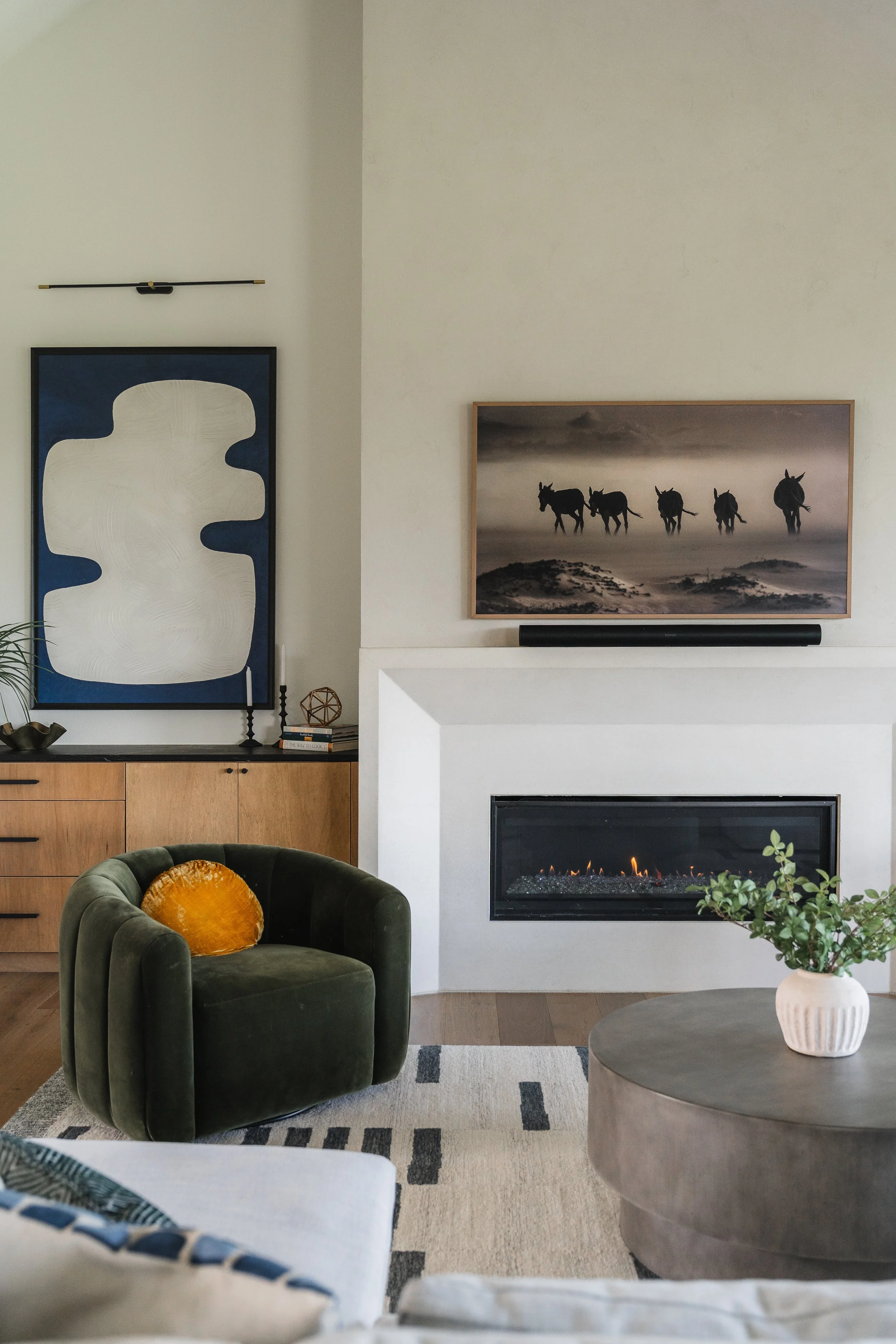
Some of our favorite projects include pieces that would never be found in a showroom.
Family heirlooms.
Artwork collected while traveling.
A favorite vintage chair.
A handmade pottery collection.
These details create personality without making a room feel cluttered. They're often the pieces that guests remember most because they're uniquely yours.
Good Design Solves Problems
Beautiful spaces are important—but beautiful spaces that function well are even better.
Every project starts by asking questions like:
How do you move through the room?
Where do people naturally gather?
What's frustrating about the space today?
What do you wish worked better?
Sometimes the solution isn't buying something new.
It's rethinking how the room works altogether.
Timeless Doesn't Mean Boring
Designing for longevity doesn't mean avoiding color or personality.
It means investing in quality where it matters and adding layers that can evolve over time.
That balance is what allows a home to grow with you instead of feeling outdated after a few years.
We aren't trying to recreate someone else's Pinterest board.
We're helping clients create homes that feel authentic, functional, and personal.
Because the best compliment we can hear isn't "This looks beautiful."
It's...
"This finally feels like us."
Renovation Regrets: The Small Decisions You'll Notice for Years
The best renovation projects aren't just beautiful—they're thoughtfully planned from the very beginning.
Renovating your home is exciting. It's also full of decisions that happen quickly, often before you've had a chance to live with the possibilities.
At ALT Design Studio, we've worked on enough renovation projects to know that the biggest regrets usually aren't the expensive ones. They're the small details homeowners plan to "finish later"—and then life gets busy.
The projects people love the most aren't necessarily the biggest. They're the ones where the little details were given just as much attention as the major decisions.
Don't Save the Finishing Touches for "Someday"
It's easy to think,
"We'll add that trim later."
"We'll finish that wall eventually."
"We'll decorate after the remodel is done."
The reality?
Once construction wraps up and normal life returns, those finishing touches often stay unfinished.
Thoughtful trim details, custom millwork, unique paint treatments, and personal design elements are often what transform a renovated room from "nice" to unforgettable. They may seem optional during budgeting conversations, but they're often the features homeowners appreciate most years later.
Sometimes the Best Renovation Is the One You Don't Do
One of the biggest budget mistakes we see is making major structural changes simply because homeowners can't picture another solution.
Moving walls. Relocating plumbing. Completely changing a floor plan.
Those decisions can dramatically increase renovation costs.
One of the biggest advantages of working with a designer early is discovering possibilities you may never have considered. Sometimes changing cabinetry, rethinking furniture placement, or adjusting circulation patterns accomplishes the same goal without rebuilding the entire house.
Good design isn't always about starting over—it's about seeing the possibilities that already exist.
Builder Grade Isn't the Goal
For years, bright white walls, gray flooring, and ultra-neutral palettes dominated new construction.
While clean and simple has its place, many of those spaces now feel more builder grade than timeless.
We're seeing homeowners lean back toward:
richer paint colors
warmer wood tones
layered textures
personality-driven finishes
Instead of designing for resale first, they're designing for everyday life.
The Upgrades That Continue Paying Off
Some investments quietly improve your home every single day.
One favorite? A full-height quartz backsplash.
Not only does it create a beautiful focal point, but it's also incredibly practical. Fewer grout lines mean easier maintenance, and the continuous veining creates a polished look that ages beautifully.
Another surprisingly worthwhile investment is carpet selection.
A high-quality cut pile carpet costs a little more upfront but stays looking better longer, feels softer underfoot, and holds up to everyday life much better than many builder-grade options.
Sometimes the upgrades you appreciate most aren't the flashy ones—they're the ones you interact with every day.
Don't Forget the Spaces That Work the Hardest
Everyone dreams about kitchen renovations.
But some of the biggest quality-of-life improvements happen in the spaces homeowners rarely post on Instagram.
Laundry rooms.
Drop zones.
Mudrooms.
These hardworking spaces influence your daily routine far more than people realize. Investing in functionality here often provides more satisfaction than another decorative feature elsewhere in the home.
The Floor Plan You Feel—Not Just See
Beautiful finishes matter.
But the flow of your home matters even more.
Walkways that are too tight.
An island that blocks movement.
Not enough room between appliances.
These aren't details you notice in a showroom—they're details you'll notice every single day.
One of the biggest values of working with an experienced designer is creating a layout that feels effortless long after the excitement of the renovation is over.
The ALT Takeaway
The best renovations aren't defined by how much money was spent.
They're defined by thoughtful planning, intentional details, and decisions that continue improving everyday life long after construction is finished.
Because when your renovation is built around how you actually live—not just how you want it to look—you'll enjoy it for years to come.